


Collecting
Pressed Glass vs Blown Glass: How to Tell the Difference

If you have ever picked up a glass piece and wondered how it was made, you are not alone. Many collectors and home decorators struggle to differentiate between pressed glass and blown glass. However, once you understand what to look for, the distinctions become far clearer.
This guide explains pressed glass vs blown glass in plain terms. More importantly, it shows you how to identify each type with confidence, whether you collect antique glass or simply enjoy learning about the objects in your home.
What Is Blown Glass?
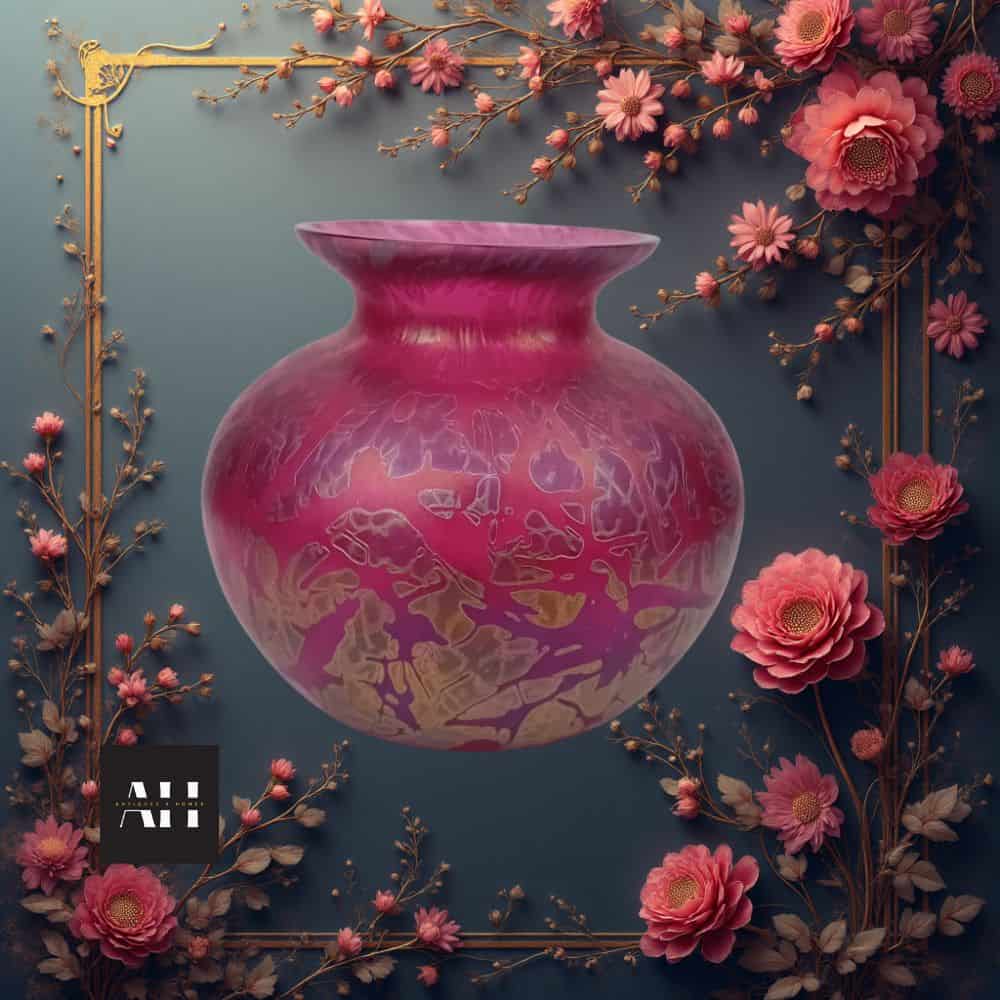
Blown glass starts with molten glass gathered onto the end of a blowpipe. The maker then shapes the glass by blowing air into it while rotating and forming the piece by hand. Because of this process, no two examples ever match exactly.
As a result, blown glass often shows gentle variations in thickness, shape, and weight. Moreover, early glassmakers relied entirely on skill rather than machinery, which means small irregularities appear naturally. These differences do not indicate flaws. Instead, they signal hand craftsmanship.
Because glassblowingdominated production before large-scale manufacturing, many earlier pieces fall into this category. However, modern studios still produce blown glass today, so age alone never confirms authenticity.
What Is Pressed Glass?
Pressed glass uses molten glass poured into a mould and shaped under pressure. Unlike blown glass, this method allows rapid and repeatable production. Consequently, patterns appear crisp, uniform, and consistent across multiple examples.
Victorian manufacturers embraced pressed glass because it allowed decorative tableware at affordable prices. Therefore, pressed glass appears frequently in 19th-century homes, especially in Britain and Europe.
Importantly, pressed glass does not equal poor quality. In fact, many pressed designs show remarkable detail and remain highly collectible today.
Pressed Glass vs Blown Glass: How Weight and Feel Differ

When comparing pressed glass vs blown glass, weight offers one of the quickest clues.
Blown glass often feels lighter than expected. Because the maker shapes it by hand, the walls vary slightly in thickness. Meanwhile, pressed glass tends to feel heavier and more solid because the mould distributes glass evenly.
However, weight alone never tells the full story. Therefore, you should always combine this test with visual inspection.
Pressed Glass vs Blown: Mould Lines and Seams
Next, look closely at the surface.
Pressed glass almost always shows mould seams. These lines usually run vertically and feel slightly raised when you move a fingertip across them. In contrast, blown glass lacks seam lines because the maker shapes it freely.
That said, polished pressed glass sometimes hides seams well. Because of this, you should also inspect the base.
Pressed Glass vs Blown Glass: Bases and Pontil Marks
The base often reveals the truth.
Many blown glass pieces show a pontil mark, which appears as a rough or ground scar where the glass detached from the pontil rod. Although not every blown piece retains a visible mark, its presence strongly suggests hand production.
Pressed glass usually has a smooth base. Often, moulded patterns continue underneath, which indicates mass production rather than hand finishing.
Bubbles, Imperfections, and Pattern Sharpness
Air bubbles offer another useful clue. Blown glass frequently contains small bubbles trapped during shaping. Meanwhile, pressed glass typically looks clearer and more uniform.
Pattern sharpness also matters. Pressed designs appear crisp and identical across multiple pieces. Blown glass patterns, however, look softer and less precise because hand tools shape them individually.
Therefore, repetition usually points toward pressing, while variation suggests blowing.
Can Pressed Glass Still Be Antique?
Absolutely.
Many people assume hand production equals age. However, that belief causes confusion. Victorian pressed glass dates back well over a century. Because factories produced it in large quantities, examples survive in abundance today.
Condition, design, and provenance matter far more than production method. As a result, both pressed and blown glass deserve appreciation.
Common Myths Worth Ignoring
Several myths continue to circulate.
Some people claim all blown glass is old. That idea falls apart quickly because modern studios still blow glass today. Others assume pressed glass lacks value. In reality, collectors actively seek many pressed patterns.
Finally, some believe a pontil mark guarantees age. While it helps, it never tells the full story on its own.
Why Understanding Pressed Glass vs Blown Glass Matters
Understanding pressed glass vs blown glass helps you buy with confidence. It also helps you describe items accurately and appreciate craftsmanship more deeply.
Just as learning to tell the difference between materials matters in other collecting areas, knowledge improves enjoyment. If you found this guide helpful, you may also enjoy our articles on
*** Ivory or Bone: How to Tell the Difference and
*** Silver or Pewter: How to Tell the Difference.
For deeper historical context on glassmaking techniques, the British Museum offers an excellent overview of historical glass production methods.
Final Thoughts
Although glass identification takes practice, the fundamentals remain simple. First, look underneath. Next, check for seams. Then, consider weight, bubbles, and pattern consistency. Finally, remember that no single feature works alone.
With time, these observations become instinctive. Because of that, learning about pressed glass vs blown glass often proves as enjoyable as collecting itself.
If you would like to see real examples similar to those discussed above, you can explore our current pieces below.
Start Browsing the Collection
If you enjoy learning about vintage and collectable items, you may enjoy browsing our latest pieces across different collecting areas. Each category brings together carefully selected items chosen for character, history, and design.
New pieces arrive regularly, therefore it is always worth checking back to see what has been added to the shop.
